Part silent, part talkie movie written, directed and starred in by Charlie Chaplin in his last performance as The Tramp. It also starts Paulette Goddard as Gamin, his potential love interest. I saw it for free on YouTube. It is a largely a scathing critique of modern technology in the name of capitalism during the Great Depression, apparently spurred by a conversation he had with Mahatma Ghandi.
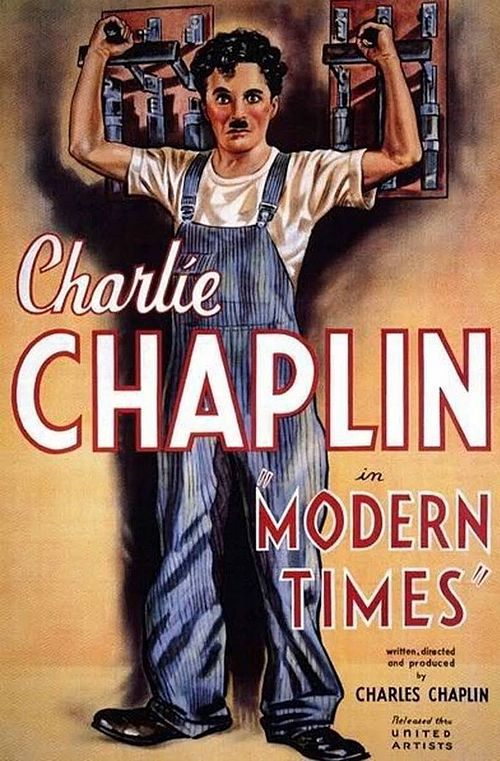
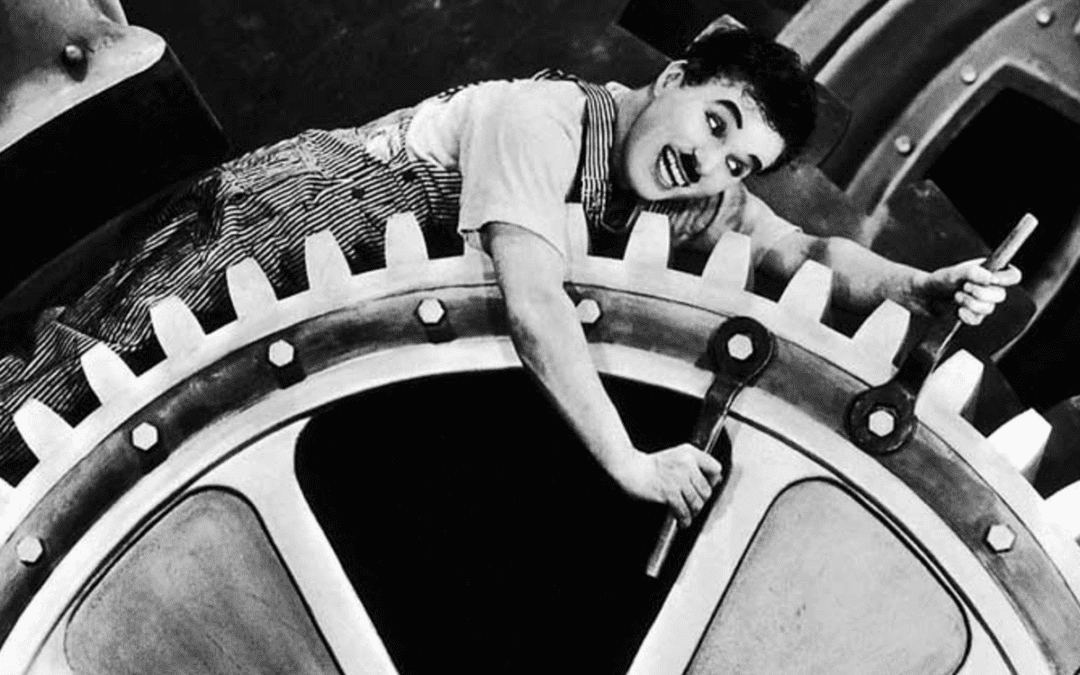
Critique of capitalism is “in” these last few years in film – from The Menu, Triangle of Sadness, Glass Onion, Saltburn to the masterpiece that is Parasite, even the recent Mickey 17. And yet, none of these “eat the rich” dramedies did it with so much heart and and had me laughing in stitches like this Charlie Chaplin movie. The Tramp’s character tries and tries to catch a break to start to make a living in a house with his love Gamin among the height of the Great Depression in America. From demeaning work in a factory, literally being reduced to a cog in a machine that needs to function ever faster, to a security guard in a fancy department department store needing to keep his old friends and colleagues out of simply getting a meal. It does says a lot about society, when the main character is happier in prison than out in the workforce.
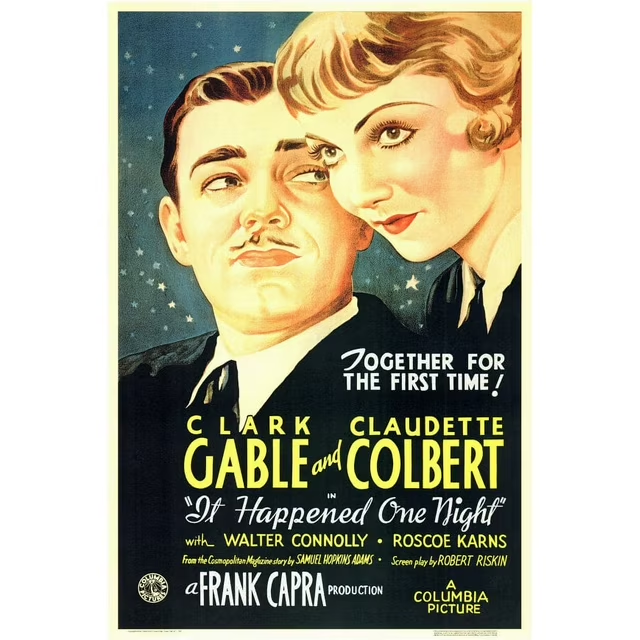
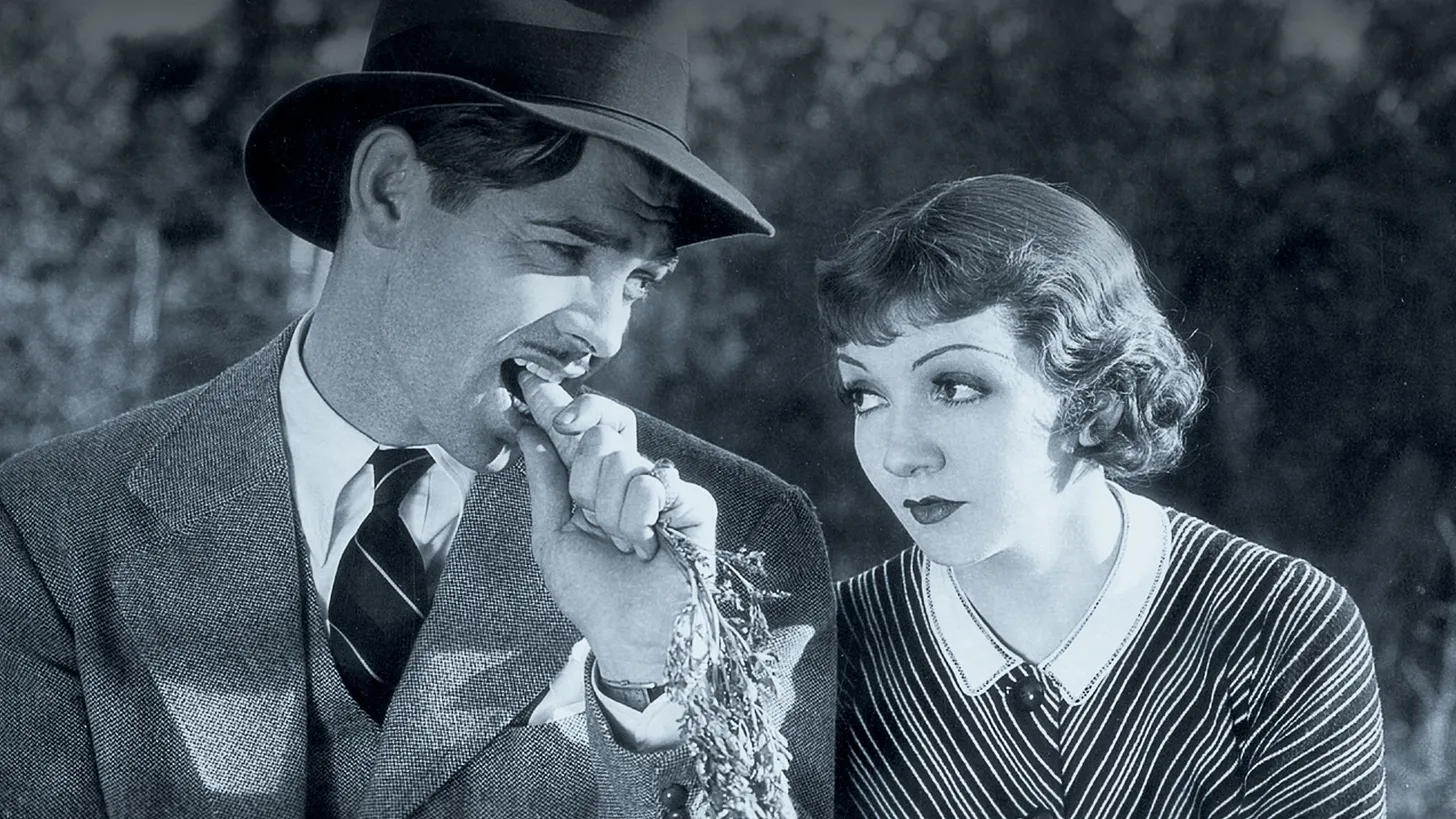
The Great Depression was no laughing matter. I already alluded to the poverty being ever present in American movies of that time in “It happened one night” and here the desperation is everywhere. Workers showing up in masses when there is a hint of work at a new or re-opened factory, people resorting to stealing food in their desperation, even some clinging to communists ideals and starting marches, strikes and other rebellions to fight back at the capitalists. Within that, the ever optimist figure of The Tramp works perfectly.
It is in this movie that the song Smile, later popularized by Nat King Cole or even bastardized in Joker (Todd Phillips would probably say it was a homage, but I hated that movie) first appears and it is to give us optimism that it will work out somehow – the true essence of The Tramp. Even though he always finds himself in desperate situations, he approaches them with an optimism that somehow it will get better for him. It is this optimism that I always admire in Americans, somehow ingrained in their culture and it shows this culture trait plenty in this movie. And yes, I did turn off the TV at the end of the movie with a smile on my face – it would somehow, someday resolve well for The Tramp, he would be ok!
I do have one point that sat badly with me throughout the whole movie and that is Gamin’s relationship with The Tramp. How old is she supposed to be, anyways? At one point, she runs away from family services that supposedly were shipping her off to an orphanage and in the next few scenes The Tramp services himself as her literal sugar daddy (giving her cake and sweets and later a fancy coat). It’s all played quite fanciful and the music always swells to make you feel ok, but it still gave me the creeps that this young girl attached her future to a much older vagrant, just because he gave her some food and money once. There is an alternative ending in which Gamin takes on vows and The Tramp leaves alone, but Chaplin changed his mind after wanting to make his real life lover and third wife Paulette Goddard famous and give the real her hope that she could succeed.
Ah, well, nonetheless, I do recommend this movie, finally a Charlie Chaplin one in these 100 Movies, the comedy is really strong here and the social critique is also well done. It even has a coherent plot from start to finish, even though you can always show the individual vignettes separately and have a good time (and I even see them some of the now on TikTok).

 Tanya's Astro Blog