1949 – Late Spring – (Banshun)
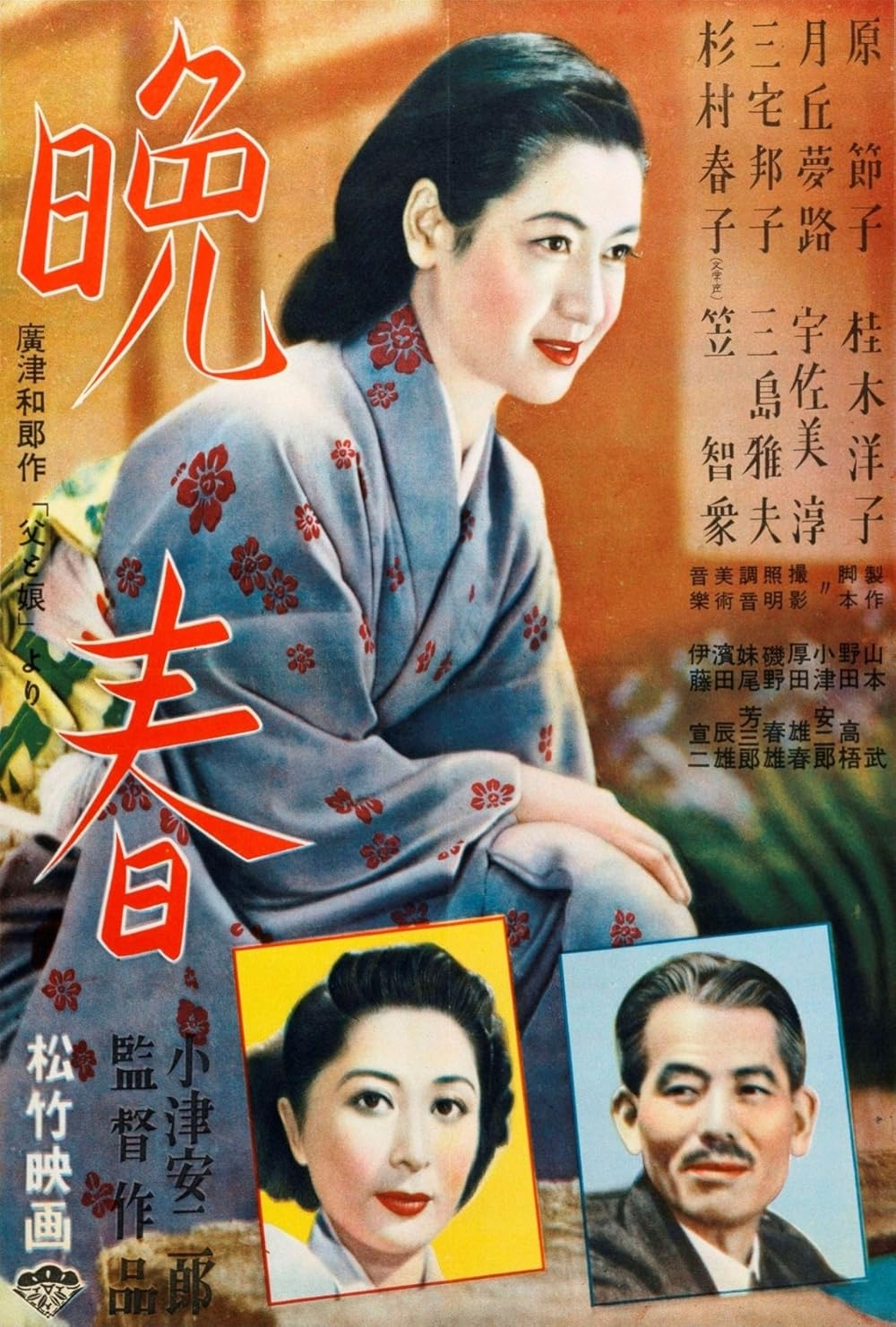
It’s a Japanese drama film directed by the great Yasujirō Ozu. It stars Chishû Ryû as Shukishi Somiya (the father) and Setsuko Hara as Noriko Somiya (the daughter). The plot is about a 27 year old woman taking care of her widowed father, and the societal pressure that she experiences, because she’s not married yet; even her father is even trying to convince her of this. It’s the first of the so-called “Noriko trilogy” in which Setsuko Hara plaus a woman named Noriko on each one – the other two being “Early Summer” and the much more famous “Tokyo Story“. I saw it on YouTube here.
People love telling others what to do, what they should spend their money on, how they should raise their kids, heck, even if, when, and how many kids they should have. In today’s society it is often seen as meddling, we have become quite individualistic, but we forget that often this advice comes from a place of good, that people actually care.
That is basically what I felt while watching the movie. In the beginning, I grew, if not angry, then annoyed at the aunt interfering in her niece’s life and even convincing her brother. But by the end she was so happy, convinced that good fortune was going to come upon their family, that even the father plays that game.
It’s a testament to the movie that I am still ambivalent about what the right path is. On the one hand, hey, it’s her life, she should decide what to do with it. On the other hand, it’s not like she’s harboring some grand plan or passion that would be destroyed if she got married. No, she just doesn’t want things to change. But in a society in late 1940s Japan, where everybody is still reeling from the war, personal fulfillment sort of takes a back seat.
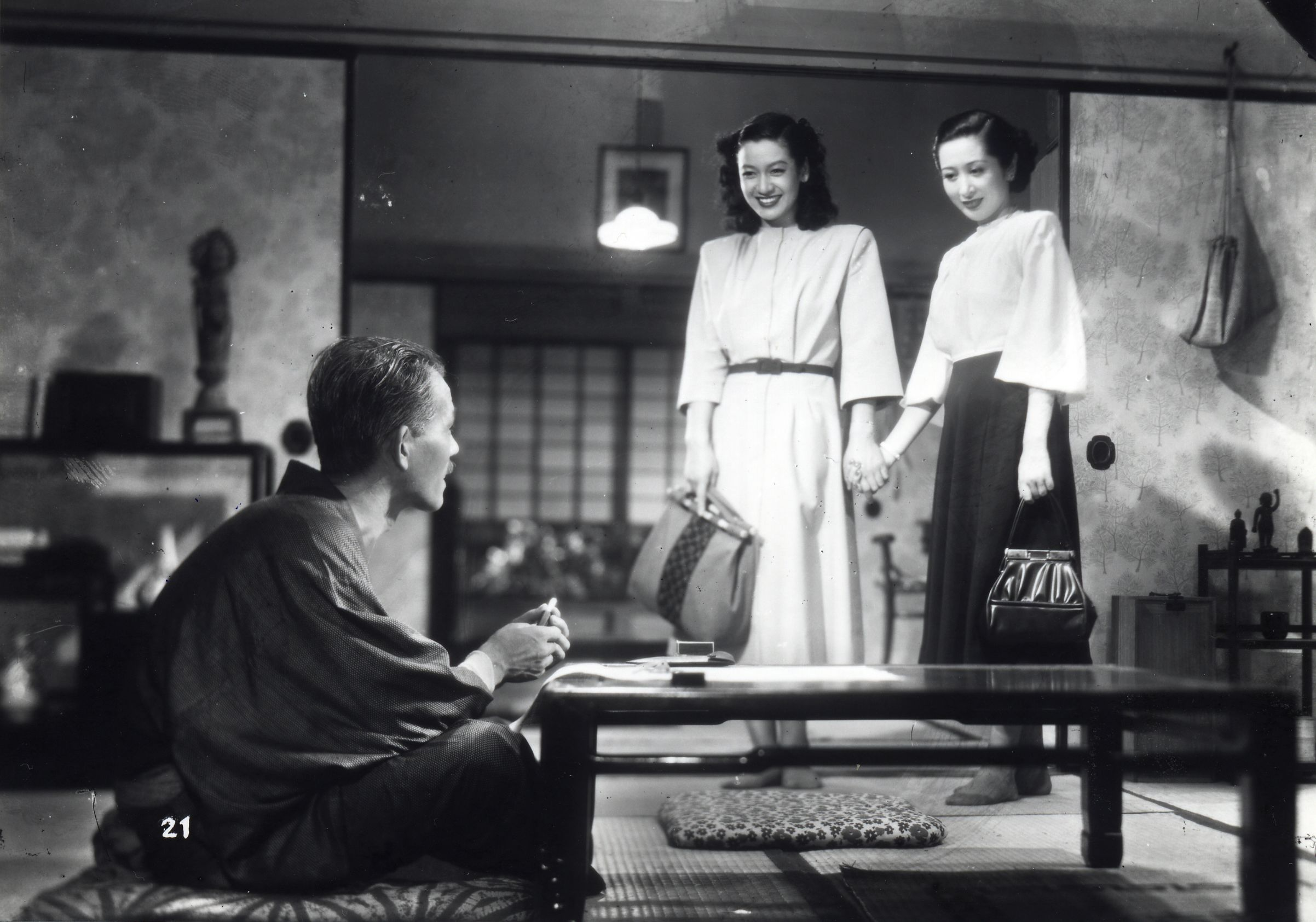
Ok, so the themes seem pretty clear, how about the execution? Be ready for it to be slow. But so slow, that you get lost in that Japan with an amazing cinematography. At one point, they visit Kyoto and the pictures are so vivid, I swear, I could almost see color. And the slowness helps in discerning the feelings of everyone. How somebody says something matter-of-factly, but the camera lingers on a face, a sake cup, a dress for just long enough to let us know what’s really going on.
Most of the time that was fine, great even. However, at some points it became so slow as to become tedious. For example, there is a visit to a traditional Noh theater, which just drags and drags, I became restless and missed a realization, which thankfully was explained later.
I am quite happy that I chose this 25th movie as my last of 2025, it makes you contemplative heading into the New Year. I really loved this little project so far, picking out the next movie every 2 weeks, discovering something new or finally scratching something off an inner mental list. Next blog post will be a quick one with a ranking and then off we go with 1950-1974 in 2026! But for now, Happy New Year, may it bring you joy, health, good luck and of course… great movies!
 Tanya's Astro Blog